Comprehensive Eye Exams in Alamosa, CO
If your vision has changed, your eyes feel strained, or it has been a while since your last eye exam, it is worth taking a closer look. At San Luis Valley Eye Care in Alamosa, CO, Dr. Thomas Huff uses advanced diagnostic technology to detect eye conditions early, often before symptoms appear. A comprehensive eye exam helps you understand your eye health clearly so you can protect your vision long term.
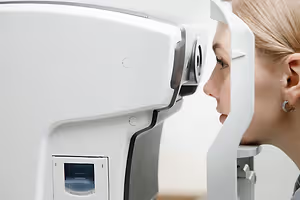

Noticing Changes or Just Due for an Exam?
Most people do not schedule an eye exam because everything feels normal. They come in because something has changed, or it has simply been too long.
You may be dealing with blurry vision, eye strain, or trouble seeing at night. You may notice flashes of light or floaters, or feel like your glasses are not working the way they used to.
You do not need to figure out the cause before you come in. Our role is to evaluate your eyes thoroughly and determine what is happening, even when there are no obvious symptoms.
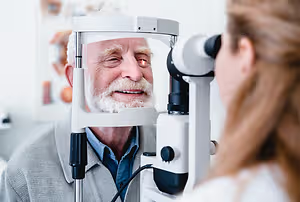
Why a Comprehensive Eye Exam Matters Every Year
Many eye conditions develop slowly and without early warning signs.
By the time vision changes become noticeable, damage may already have occurred. Conditions such as glaucoma, macular degeneration, and diabetic eye disease can progress without symptoms for years.
Regular annual exams at our Alamosa, CO office allow Dr. Huff to:
- Detect problems early, before they affect your daily life
- Monitor small changes in conditions like glaucoma and diabetic retinopathy over time
- Protect your long-term vision with consistent, personalized care
For many patients (especially those over 60 or managing health conditions like diabetes or high blood pressure) regular eye exams are a critical part of maintaining independence and overall health.
What Makes Our Eye Exams Different
At San Luis Valley Eye Care, we combine comprehensive eye exams with advanced diagnostic technology to evaluate your vision and eye health in greater detail.
A Wider View of Your Eye Health
Our Optomap ultra-widefield retinal imaging technology captures up to 200 degrees of your retina in a single image. This quick, comfortable scan helps your eye doctor check for signs of retinal tears, diabetic retinopathy, macular degeneration, and other eye conditions, often without dilation.
Measuring How Your Retina Functions
Our RETeval electroretinography (ERG) technology from LKC Technologies measures the retina's electrical responses to light, providing information about how well its cells function.
This noninvasive test can support the evaluation and monitoring of conditions such as glaucoma, diabetic retinopathy, macular degeneration, and certain inherited retinal disorders, depending on the testing protocol.
Along with Optical Coherence Tomography (OCT) and visual field testing, these technologies help to assess your eye health and determine when you may need further evaluation or monitoring.
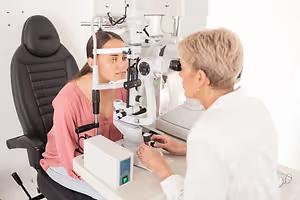
What Is Included in a Comprehensive Eye Exam
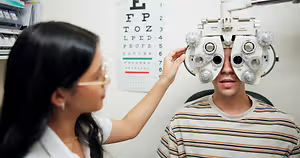
Depending on your needs, your eye exam may include:
-
Visual acuity testing to measure how clearly you see
-
Refraction tests to determine your glasses prescription
-
Eye pressure testing to help assess glaucoma risk
-
Optomap retinal imaging to capture a widefield view of the retina
-
OCT imaging to examine the layers of the retina
-
Slit lamp examination to evaluate the structures of your eyes
-
Visual field testing to assess peripheral vision
-
RETeval ERG testing, when indicated, to assess retinal function
-
Dilation, when clinically necessary, to examine the retina and optic nerve more thoroughly
Together, these tests help Dr. Huff assess your vision, identify signs of eye disease, and recommend appropriate follow-up care.
Eye Exams for Every Stage of Life
Comprehensive eye exams are designed to meet your needs at every stage, whether you are bringing in your child, staying on top of your own vision, or monitoring an existing condition.
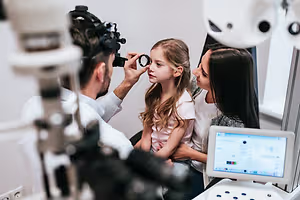
Early eye exams help ensure your child’s vision is developing properly. Many vision problems are not obvious but can affect learning, focus, and daily activities.
Regular exams allow us to detect issues early and support healthy visual development as your child grows.
Even if your vision seems stable, your eyes can change over time. Routine exams help identify early signs of age-related conditions before they begin to affect your day-to-day life.
These visits are important for maintaining clear vision and staying ahead of potential problems.
If you have diabetes or other health conditions, regular eye exams play a critical role in protecting your vision.
We monitor for changes related to conditions such as diabetic retinopathy, glaucoma, and macular degeneration, allowing us to track progression and manage your care over time.
Answers About Eye Exams
A comprehensive eye exam checks your prescription and the health of your eyes. Depending on your needs, your eye doctor may assess your eye pressure, peripheral vision, retina, and optic nerve.
Most adults should have an eye exam once a year. Your eye doctor may recommend more frequent visits based on your age, health history, or an eye condition that needs monitoring.
Yes. Some eye conditions cause few noticeable symptoms at first. An exam can check for changes in your eye health even when your vision feels stable.
Book an appointment if you notice blurry vision, trouble seeing at night, frequent headaches, or a change in how your eyes feel. You can also schedule an exam if it has been a while since your last visit.
RetEval is an electroretinogram, or ERG, test that measures how your retina responds to flashes of light. It gives your eye doctor information about retinal function that can complement the images taken during an eye exam.
RetEval may provide additional information when your eye doctor evaluates or monitors glaucoma, diabetic eye disease, macular degeneration, and other retinal conditions.
Optomap takes a wide image of the retina at the back of your eye, including areas toward its outer edges. The image helps your eye doctor examine your retina and compare findings over time.
Possibly. Retinal imaging gives your eye doctor useful information, but dilation may still be needed for a closer examination. Your eye doctor will let you know if it is appropriate for your visit.
A contact lens fitting is a separate evaluation. If you wear contacts or want to try them, let us know when you book so we can discuss scheduling both appointments.
Most comprehensive eye exams take about 30 to 60 minutes. Allow extra time if you need additional testing or dilation.
The cost depends on the tests you need and your insurance plan. Vision plans may cover a routine exam, while medical insurance may apply when the visit relates to an eye condition. Call before your appointment to ask about your benefits and expected costs.
Schedule a Comprehensive Eye Exam Near You
If it has been a while since your last exam or if something does not feel right with your vision, this is a good time to come in. A comprehensive eye exam can help identify problems early, even before symptoms appear, and give you a clear understanding of your eye health. Call (719) 992-2121 or request an appointment to take the next step in protecting your vision.