
Dry Eye Treatment in Alamosa, CO
If your eyes burn, feel gritty, or water throughout the day, and eye drops only provide short-term relief, you may be dealing with dry eye. At San Luis Valley Eye Care in Alamosa, Dr. Thomas Huff identifies the cause of your symptoms and provides treatment that goes beyond temporary fixes. Our goal is to help your eyes feel comfortable and your vision stay clear throughout the day.
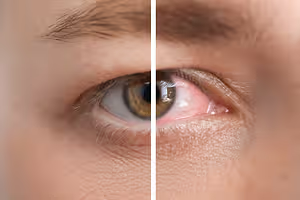

If Your Eyes Feel Dry, Gritty, or Constantly Irritated
If your eyes burn, feel gritty, water throughout the day, or become more uncomfortable the longer you use them, you are not alone.
Many patients describe a cycle where drops help for a short time, but the irritation keeps coming back. Vision may blur, your eyes may feel tired, and everyday tasks like reading or using a computer may become more difficult.
Most people assume this is something they have to live with. In many cases, it is not.

Dry Eye Is Common, and It Is Often Treatable
Dry eye occurs when your eyes do not produce enough tears or when the tears are not functioning properly.
Healthy tears are made of multiple layers that keep the surface of your eye smooth and comfortable. When this balance is disrupted, it can lead to ongoing irritation, inflammation, and unstable vision.
Dry eye is not just a temporary issue. It is a condition that often requires proper diagnosis and treatment.
Common Symptoms of Dry Eye
Dry eye can affect your comfort and vision throughout the day. You may notice:
- Burning or stinging sensation
- Gritty or sandy feeling
- Redness or irritation
- Blurry or fluctuating vision
- Watery eyes that still feel dry
- Light sensitivity
- Eye fatigue, especially with reading or screen use
- Difficulty wearing contact lenses
These symptoms often get worse over time without proper treatment.
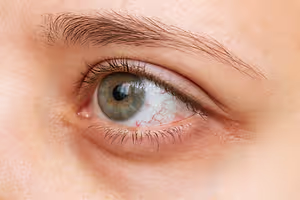

What Causes Dry Eye?
Dry eye can develop for several reasons, and often more than one factor is involved. Common causes include:
- Aging and natural changes in tear production
- Medications such as antihistamines, blood pressure medications, and antidepressants
- Hormonal changes
- Medical conditions such as autoimmune disease or thyroid disorders
- Environmental factors like wind, dry air, or smoke
- Prolonged screen use and reduced blinking
- Contact lens wear
- Previous eye surgery
- Inflammation or blockage of the tear glands
Understanding the cause is the first step toward effective treatment.
Why Eye Drops Alone Are Not Enough
Many patients rely on artificial tears for relief.
While these can help temporarily, they do not address the underlying cause of dry eye. If symptoms keep returning, it usually means the tear system is not functioning properly.
That is why a more targeted approach is often needed.

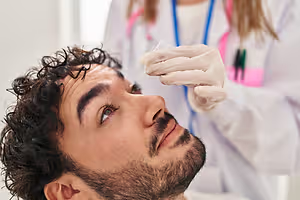
How We Diagnose Dry Eye at Our Alamosa Eye Care Practice
A proper diagnosis goes beyond simply asking about symptoms.
Dr. Huff evaluates:
- Tear production and tear quality
- Stability of your tear film
- The health of your eyelid glands
- The surface of your eye
This may include specialized testing to measure tear function, evaluate gland performance, and detect inflammation.
This detailed approach allows us to identify the cause of your symptoms and build a treatment plan that works.
Treatment Options for Dry Eye
Effective dry eye treatment focuses on improving how your eyes function over time. Your treatment plan may include:
- Lid cleaning and gland expression to remove blockages
- Therapies that improve tear quality and reduce inflammation
- Warm compresses and eyelid hygiene
- Artificial tears for symptom relief
- Nutritional supplements such as omega-3s
- Prescription medications, when needed
- Punctal plugs to retain moisture
- Specialty contact lenses for severe cases
The goal is to reduce symptoms and improve long-term comfort, not just provide temporary relief.


NuLIDS for Meibomian Gland Dysfunction
The meibomian glands along your eyelids produce oils that help keep tears from evaporating too quickly. When these glands become blocked or do not release enough healthy oil, known as meibomian gland dysfunction (MGD), your eyes may feel dry, irritated, gritty, or watery.
NuLIDS provides targeted eyelid cleaning and gentle massage to help remove debris and buildup along the eyelid margins. This treatment supports eyelid hygiene and healthier meibomian gland function, helping improve tear film quality.
Your eye doctor can determine whether NuLIDS is appropriate for your dry eye symptoms and include it in your personalized treatment plan.
What to Expect from Your Dry Eye Treatment
Dry eye is often a chronic condition, which means it is managed over time.
With the right approach, most patients experience:
- More consistent comfort
- Improved visual stability
- Less reliance on drops
- Better day-to-day function
The key is identifying the cause and treating it properly.

Answers About Ongoing Eye Irritation
This is a common and confusing symptom. When your eyes become too dry, they can overproduce tears as a reaction, but these tears do not provide lasting relief. This is often a sign that your tear system is not functioning properly.
Dry eye symptoms often build throughout the day as your eyes are used more. Activities like reading, driving, or screen use can reduce blinking and increase strain, which leads to more discomfort over time.
Artificial tears can provide temporary moisture, but they do not fix the underlying issue. If your symptoms return quickly, it usually means the cause of your dry eye has not been addressed.
Yes. Dry eye can cause vision to fluctuate throughout the day. You may notice moments of blur that improve when you blink, which is often related to an unstable tear film.
No. While dry eye is common, ongoing daily irritation is not something you have to accept. Persistent symptoms usually indicate an underlying issue that can be evaluated and treated.
Indoor environments can still contribute to dry eye. Heating, air conditioning, and reduced humidity can all affect tear quality and lead to irritation, even if you are not outside.
The most effective treatment depends on the underlying cause of your dry eye. For many patients, the best approach combines professional in-office care (such as meibomian gland expression or prescription medication) with consistent at-home management like warm compresses, eyelid hygiene, and omega-3 supplements. Artificial tears alone are rarely the best long-term solution because they do not address why your eyes are not producing healthy tears. A proper evaluation is the first step to finding the treatment that works best for you.
Severe dry eye often requires a multi-layered treatment approach. Options may include prescription anti-inflammatory eye drops, punctal plugs to help retain moisture, specialty scleral contact lenses, or advanced in-office therapies that target the meibomian glands. The most effective treatment is one tailored to the specific cause and severity of your condition, which is why a thorough diagnostic evaluation is essential before starting any plan.
Coverage for dry eye treatment varies by insurance plan. Some treatments, such as a comprehensive eye exam or prescription medications, may be covered under medical insurance. Other in-office procedures may be considered elective and not covered. We recommend contacting your insurance provider before your visit to understand your benefits. Our team can also help clarify what to expect when you call to schedule your evaluation.
Medicare Part B may cover medically necessary dry eye services, including exams and certain treatments when dry eye is linked to a diagnosed medical condition. Coverage is typically not available for over-the-counter products like artificial tears. If you have Medicare and are experiencing persistent dry eye symptoms, we encourage you to call us so we can help determine what may be covered under your specific plan.
IPL (Intense Pulsed Light) therapy is an in-office treatment used to address dry eye caused by meibomian gland dysfunction. It uses pulses of light to reduce inflammation around the eyelid glands and improve the quality of the oily layer of your tear film. IPL is typically performed in a series of sessions and is considered a more advanced option for patients who have not found adequate relief from conventional treatments. Ask us during your evaluation whether IPL may be appropriate for your symptoms.
Take the Next Step Toward Dry Eye Relief
If your eyes feel irritated, tired, or uncomfortable on a regular basis, it is worth finding out why.
You are not committing to a complicated treatment plan. You are getting answers.
Call (719) 350-6885 or request an appointment to schedule your dry eye evaluation in Alamosa, Colorado. Dr. Huff will help you understand what is causing your symptoms and what can be done to improve them.