
Diabetic Eye Exams in Alamosa, CO
If you have diabetes, your eyes can be affected even if your vision seems fine. Diabetic eye disease often develops without early symptoms, which is why regular eye exams are essential for early detection and prevention. At San Luis Valley Eye Care in Alamosa, we use advanced imaging to monitor your eye health and help you stay ahead of changes before they impact your vision.


If You Have Diabetes, Your Eyes Can Change Without You Knowing
If you have diabetes, your eyes can be affected even when your vision seems completely normal.
Many patients are surprised to learn that damage can happen quietly, without early warning signs. By the time vision becomes blurry or inconsistent, changes may already be present.
This is why regular diabetic eye exams are one of the most important steps in protecting your long-term vision.

How Diabetes Affects Your Eyes
Diabetes can damage blood vessels throughout your body, including those in your eyes.
When these vessels are affected, it can lead to conditions such as diabetic retinopathy, where blood vessels leak or grow abnormally. In some cases, this can also lead to swelling in the macula, called diabetic macular edema, which affects central vision.
These changes often happen gradually and may not be noticeable at first.
Types of Diabetic Eye Conditions
Diabetes can lead to several eye-related conditions, including:
- Diabetic Retinopathy – Damage to the blood vessels in the retina, which can leak or grow abnormally.
- Macular Edema – Swelling in the center of the retina that affects detailed vision.
- Glaucoma – Increased pressure in the eye due to abnormal blood vessel growth.
- Cataracts – Clouding of the lens that can develop earlier in patients with diabetes.
Each of these conditions can affect vision differently, which is why monitoring is essential.


Common Vision Changes If You Have Diabetes
While early stages may not cause symptoms, more advanced changes can lead to:
- Blurry or fluctuating vision
- Floaters or dark spots
- Difficulty seeing at night
- Colors appearing less clear
- Trouble focusing or seeing fine details
The goal is to detect changes before these symptoms develop.
Why Regular Eye Exams Matter For Diabetic Patients
A yearly diabetic eye exam allows us to:
- Detect early signs of damage before vision is affected
- Monitor changes over time
- Intervene at the right time if needed
Even if your diabetes is well controlled, eye changes can still occur. Regular exams help ensure nothing is being missed.
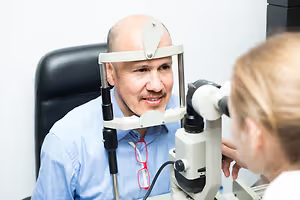

Diabetic Retinopathy Screening: How We Diagnose Diabetic Eye Disease
At San Luis Valley Eye Care, we use a comprehensive approach to evaluate your eyes. Your exam may include:
- Review of your medical history and symptoms
- Detailed retinal imaging to assess blood vessels
- Evaluation of the macula for swelling
- Measurement of eye pressure
- Ongoing comparison with previous images
This allows us to track even small changes and manage your eye health over time.
Complications Of Diabetic Eye Disease We Help Prevent
Without proper monitoring, diabetic eye disease can lead to more serious complications, including:
- Vitreous hemorrhage (bleeding inside the eye)
- Retinal detachment
- Advanced glaucoma
- Permanent vision loss
Early detection and regular care are key to reducing these risks.


Understanding Diabetic Macular Edema
Diabetic macular edema can affect the central part of your vision, making it harder to read, drive, or recognize faces.
In early stages, you may not notice any changes. As it progresses, symptoms may include:
- Blurred or double vision
- Floaters
- Distorted or wavy lines
- Increased light sensitivity
This is why routine screening is critical, even when your vision feels stable.
How To Protect Your Vision with Diabetes
Managing your eye health is part of managing your diabetes. Simple steps that support your vision include:
- Keeping blood sugar levels stable
- Managing blood pressure and cholesterol
- Staying consistent with eye exams
- Not ignoring changes in vision
These habits, combined with regular monitoring, can help reduce your risk of long-term complications.

What to Expect During a Diabetic Eye Exam
A diabetic eye exam, also called a dilated fundus exam or diabetic retinal screening, is a comprehensive evaluation designed to detect early changes in the blood vessels of your retina before they affect your vision. Knowing what to expect can help you feel prepared.
Step-by-Step: What Happens at Your Visit
- Medical history review: We'll ask about your diabetes management, medications, and any vision changes you've noticed.
- Visual acuity test: A standard chart reading to establish your baseline vision.
- Eye dilation: Drops are placed in your eyes to widen your pupils so we can see the retina clearly. Your vision may be blurry for 2–4 hours afterward, so plan to bring a driver.
- Retinal imaging: We use advanced imaging to photograph the back of your eye and evaluate the blood vessels, macula, and optic nerve.
- Intraocular pressure check: A quick, painless measurement to screen for glaucoma.
How Long Does a Diabetic Eye Exam Take?
Most diabetic eye exams take about 45–60 minutes from start to finish, including the time needed for dilation drops to take effect. Plan ahead, your vision may remain blurry or light-sensitive for a few hours after the exam.
We recommend scheduling your annual diabetic eye exam with plenty of time, as rushing through the evaluation can mean missing subtle early changes. If you're newly diagnosed with diabetes or your blood sugar has been difficult to control, we may recommend more frequent visits.
At San Luis Valley Eye Care, our goal is to give your eyes the attention they need to stay healthy long-term.
Frequently Asked Questions: Diabetic Eye Exams & Retinal Screening
Yes. Diabetes can affect the eyes without causing noticeable vision changes at first. Many people do not realize anything is wrong until later stages, which is why regular exams are important even when your vision seems normal.
Changes in blood sugar levels can cause your vision to fluctuate. You may notice that your vision is blurry at times and clearer at others. This does not always mean permanent damage, but it is a sign your eyes are being affected.
In early stages, most people do not feel anything at all. There is usually no pain or discomfort, which is why it often goes unnoticed without an eye exam.
Damage from diabetic eye disease cannot usually be reversed, but it can often be slowed or managed when caught early. Regular monitoring gives you the best chance of protecting your vision over time.
Fluctuating vision is often linked to changes in blood sugar levels. When levels shift, it can temporarily affect how your eyes focus, causing vision to come and go.
A diabetic eye exam is a comprehensive evaluation specifically designed for people with diabetes. It includes pupil dilation, retinal imaging, and an intraocular pressure check to screen for diabetic retinopathy, macular edema, glaucoma, and cataracts. It is also referred to as a dilated fundus exam or diabetic retinal screening.
Most people with diabetes should have a dilated eye exam at least once a year. If you have been recently diagnosed, are pregnant, or have poorly controlled blood sugar, your eye doctor may recommend more frequent visits, sometimes every 3 to 6 months. Early and consistent monitoring is the best way to prevent vision loss.
Yes, diabetic eye exams are typically covered by medical insurance (including Medicare) because they are considered a medically necessary service for people with diabetes, not just a routine vision check. Medicare Part B generally covers an annual dilated eye exam for diabetic patients. We recommend contacting your insurance provider to confirm your specific coverage and any copay requirements.
Yes. Medicare Part B covers one dilated eye exam per year for people with diabetes, regardless of whether they have shown signs of diabetic eye disease. This is separate from routine vision coverage. If you are diagnosed with diabetic retinopathy or another diabetic eye condition, additional follow-up visits may also be covered.
Yes. Licensed optometrists are qualified to perform diabetic eye exams, including dilated retinal screenings and imaging. At San Luis Valley Eye Care, Dr. Huff performs comprehensive diabetic eye evaluations and works alongside your primary care provider or endocrinologist to monitor and manage your eye health as part of your overall diabetes care.
Take the Next Step Before Something Changes
Diabetes can affect your eyes before you notice any changes in your vision, which is why annual eye exams are so important. If you're newly diagnosed or your blood sugar has been harder to manage, it's a good idea to come in sooner.